Optimal Timing for Water Treatments
Water treatments are most effective when scheduled based on seasonal changes, water quality fluctuations, and specific usage needs. Proper timing ensures optimal water quality, reduces maintenance costs, and enhances system longevity. Typically, the best periods for treatment are during low-demand seasons or before peak usage times.
Spring and fall are ideal for comprehensive water treatments to prepare for high usage periods and prevent buildup.
Scheduling treatments before summer or winter can mitigate issues caused by temperature fluctuations.
Regular testing helps determine the best timing for treatments based on water conditions.
Conducting inspections prior to peak seasons ensures systems operate efficiently.
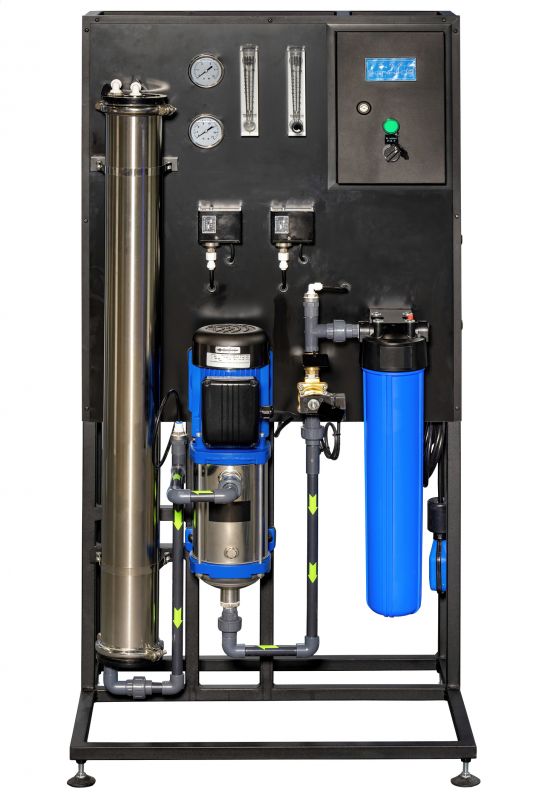
Modern systems designed for optimal performance and ease of maintenance.
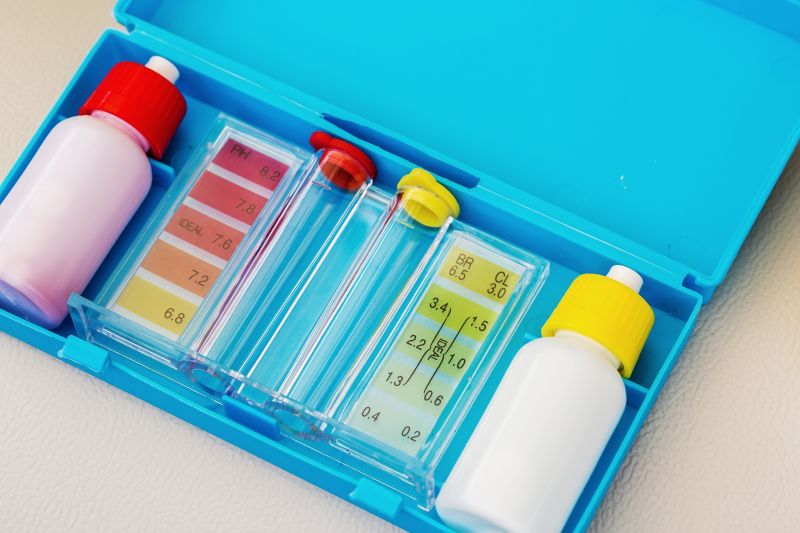
Tools used to assess water quality and determine treatment needs.
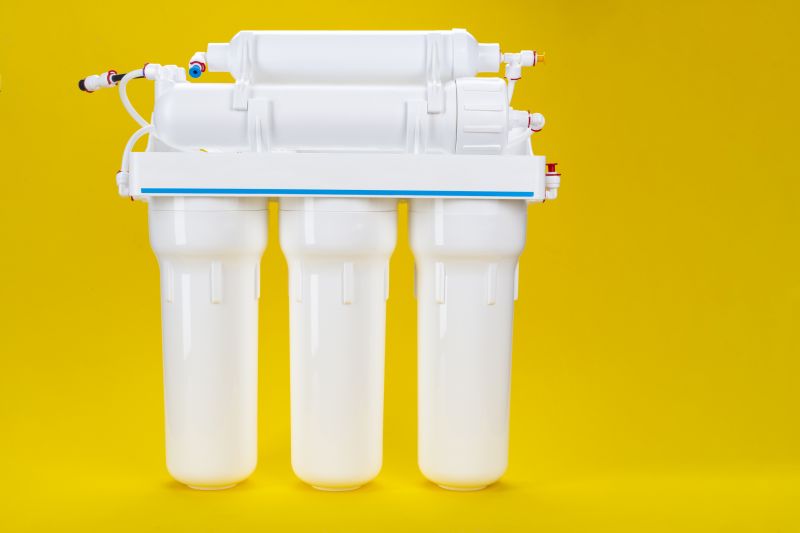
Systems that improve water clarity and safety for various applications.
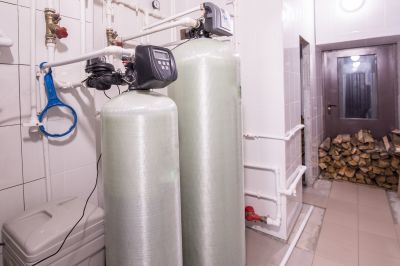
Ways to make Water Treatments work in tight or awkward layouts.
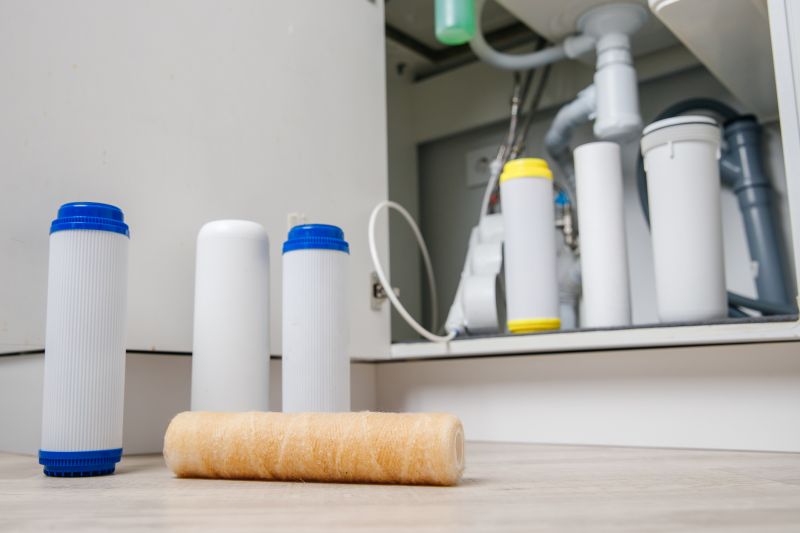
Popular materials for Water Treatments and why they hold up over time.
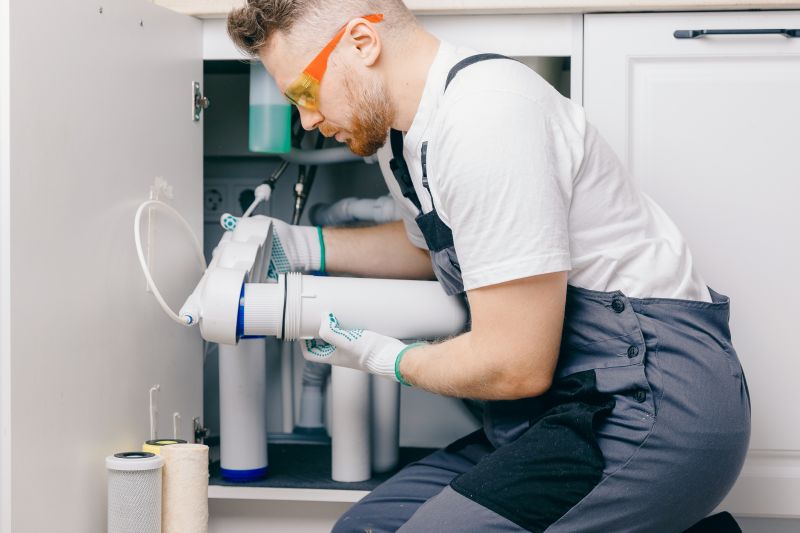
Simple add-ons that improve Water Treatments without blowing the budget.
| Timing Consideration | Recommended Approach |
|---|---|
| Seasonal Changes | Schedule treatments during spring and fall for optimal results. |
| Water Quality Fluctuations | Test water regularly to identify the best treatment times. |
| High Usage Periods | Treat water before summer or winter to prevent issues. |
| Post-Repair or Maintenance | Perform treatments after repairs to ensure water quality. |
| Pre-Season Preparation | Conduct treatments ahead of peak demand seasons. |
Water treatments play a crucial role in maintaining water quality, preventing scale buildup, and reducing corrosion in plumbing systems. Proper timing of these treatments can extend the lifespan of equipment, improve water safety, and ensure compliance with health standards. Regular treatments are especially important in areas with hard water or high mineral content, where mineral deposits can impair system efficiency.
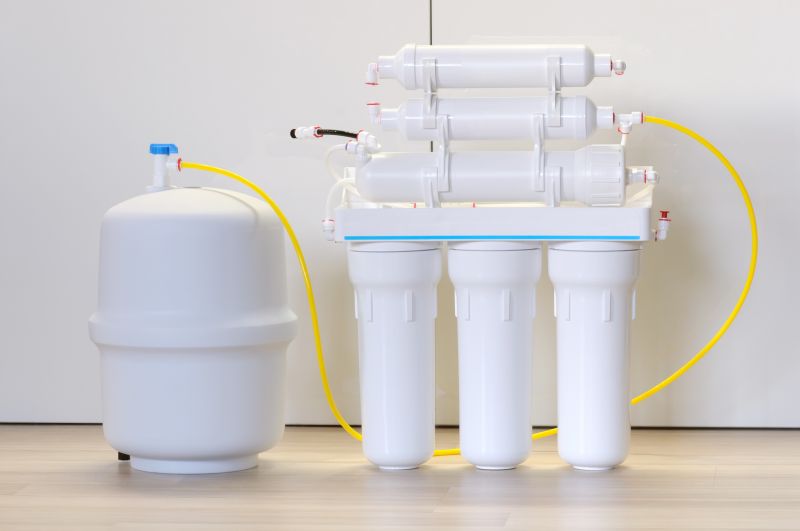
Various components working together to improve water quality.
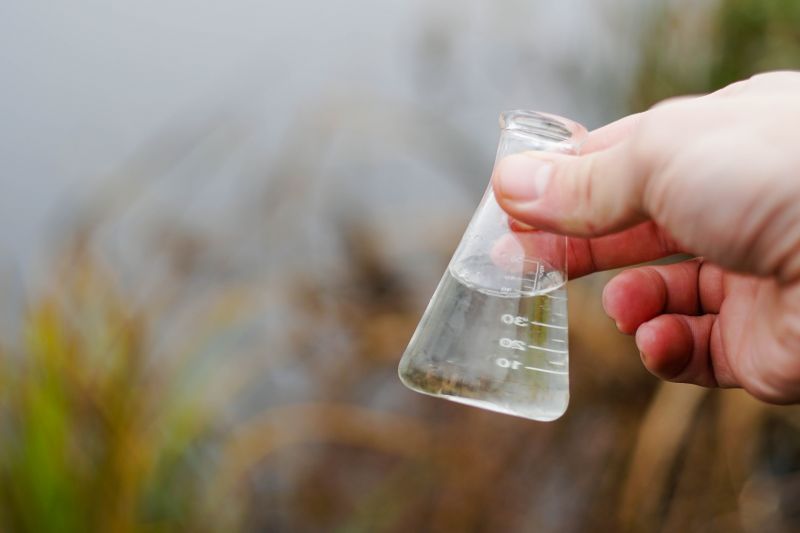
Step-by-step procedures to assess water condition.

Clean, safe water ready for consumption or use.
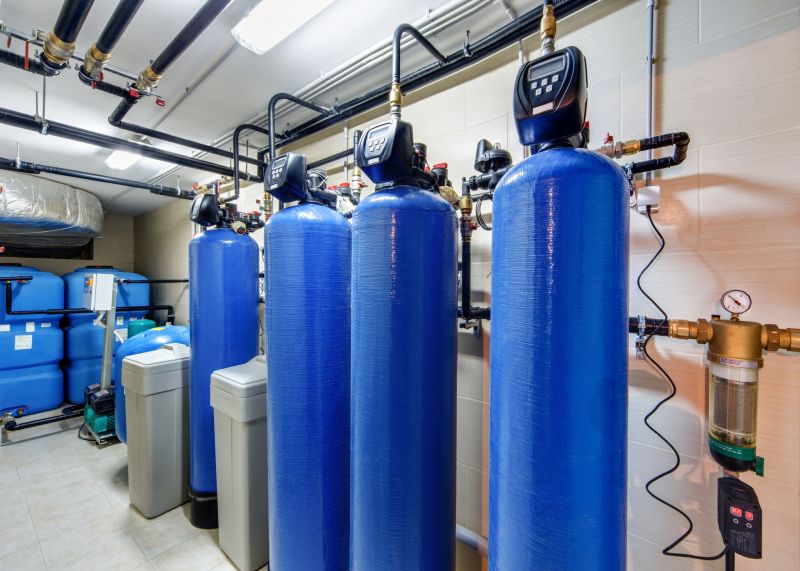
Regular upkeep ensures system efficiency and longevity.
Understanding the optimal timing for water treatments can significantly improve water system performance and safety. Consulting with water treatment professionals can help identify specific needs based on local water conditions and usage patterns. Properly scheduled treatments contribute to consistent water quality and system reliability.